
Olathe, KS · Garage Door Service
Garage Door Repair Built Around Olathe's Housing Stock
Olathe Garage Door Pros fixes springs, openers, and tracks on the 1950-2004 housing stock common across Olathe and nearby Johnson County towns.
- Repairs & new doors
- Springs & openers
- Serving 8 nearby communities
What We Do
Garage door services in Olathe
From a snapped spring to a full door replacement - repairs, springs, openers and new doors.
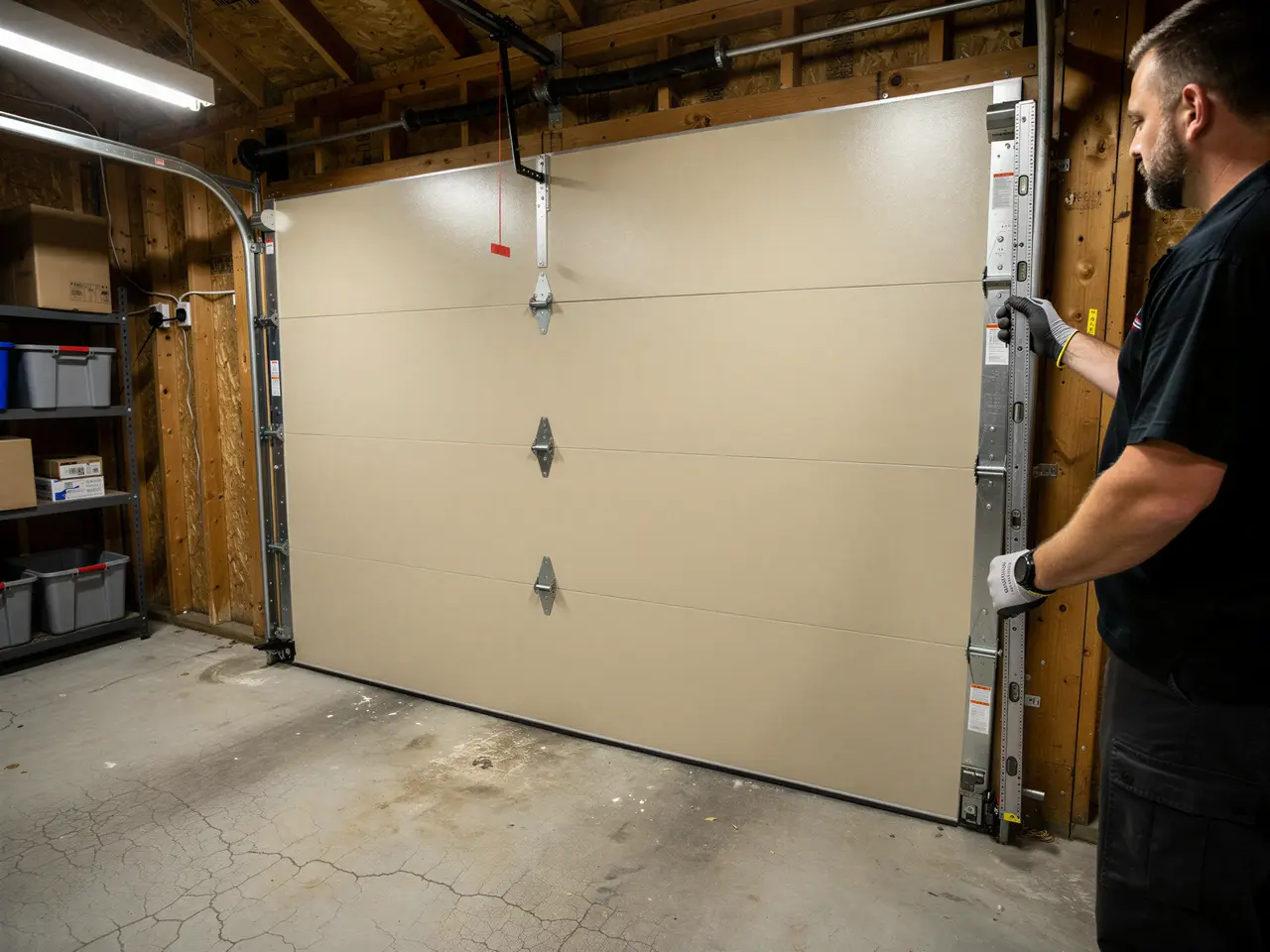
Garage Door Repair
Off-track doors, snapped cables, bent panels and grinding openers - diagnosed and fixed.
Learn more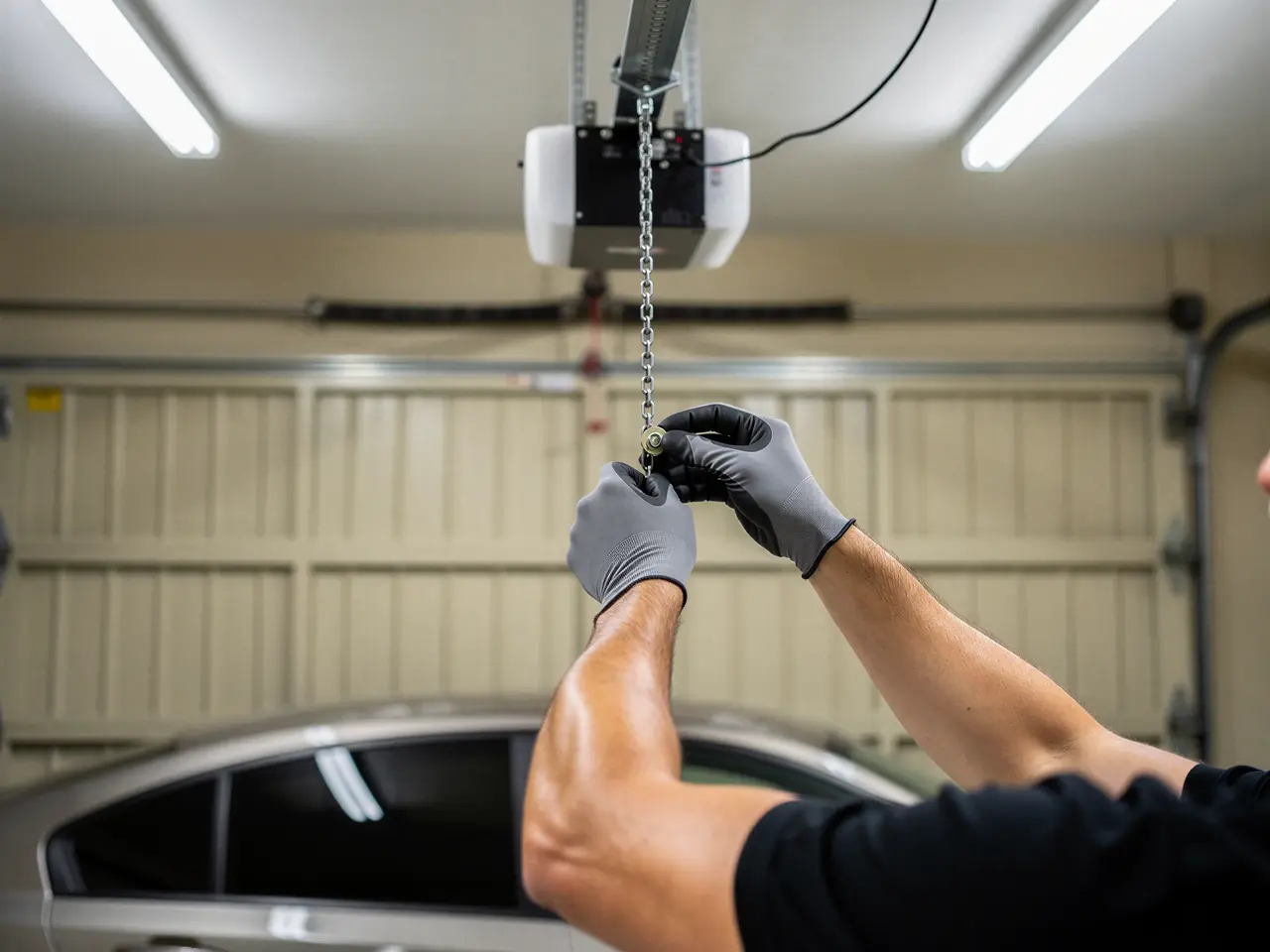
Opener Repair
Chain, belt and screw-drive openers, safety sensors and rolling-code remotes.
Learn more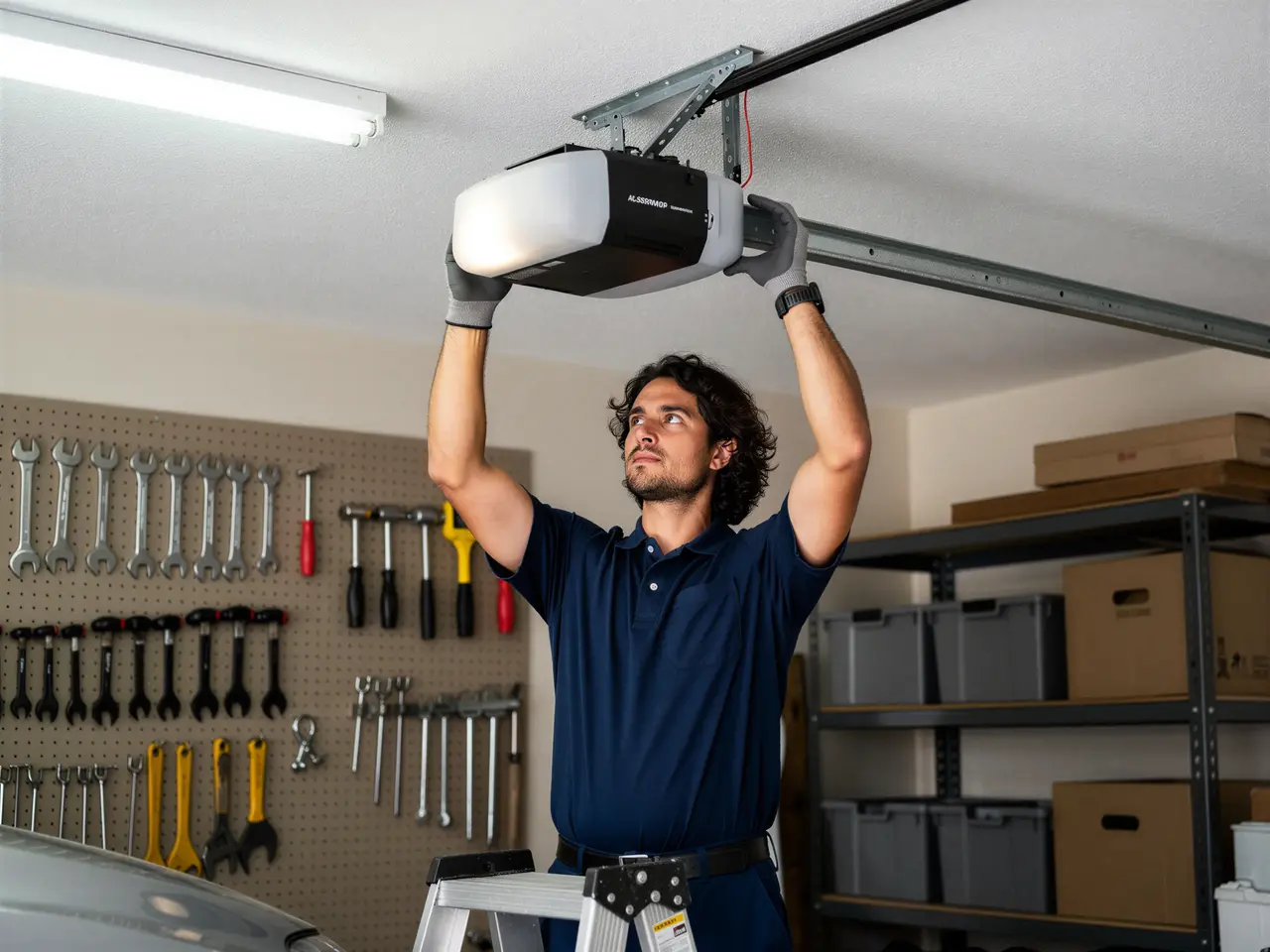
Opener Installation
New openers sized to your door, wired, programmed and safety-tested.
Learn more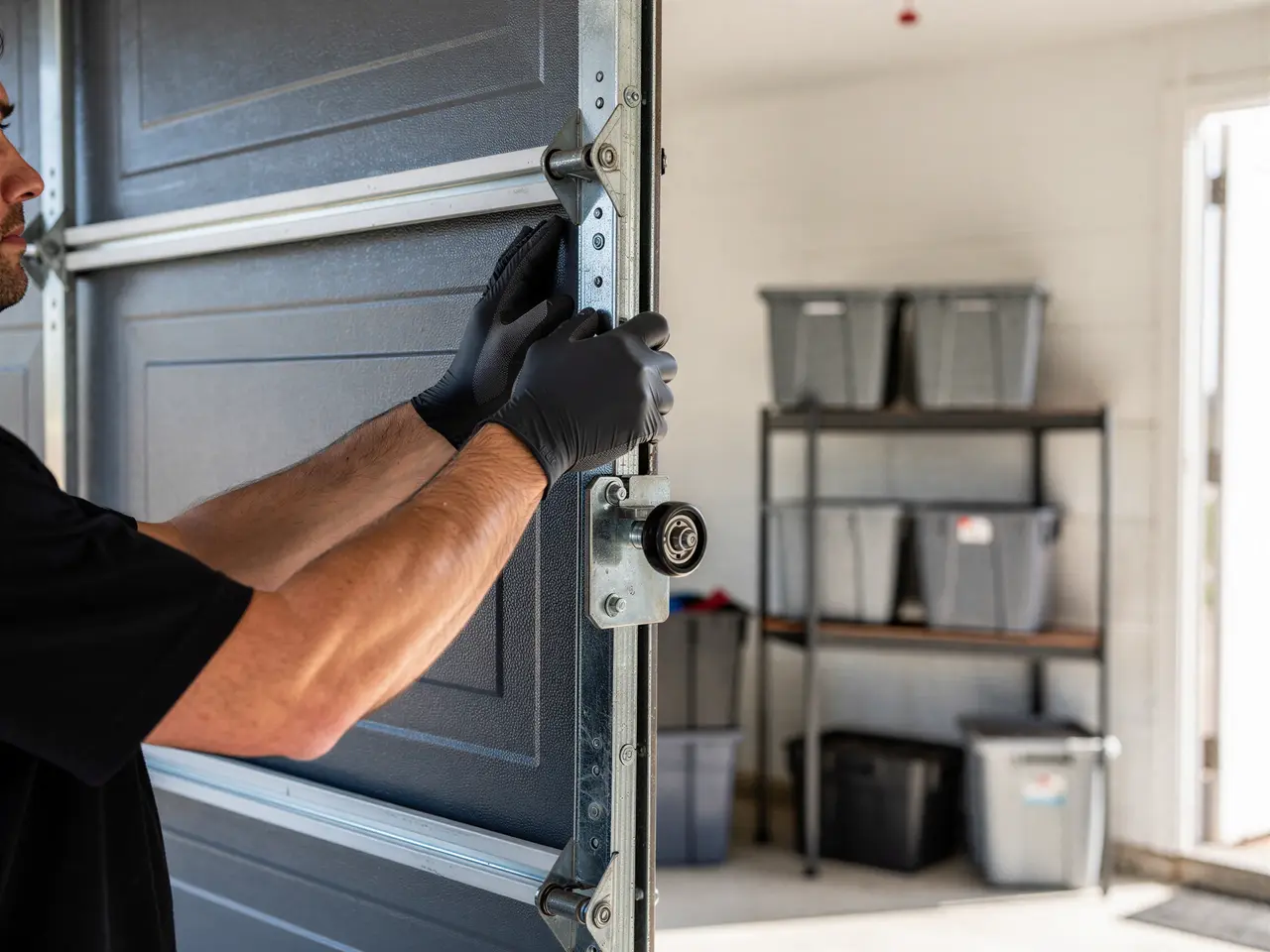
Off-Track Repair
Doors jumped the track re-set, aligned and re-tensioned so they run true.
Learn more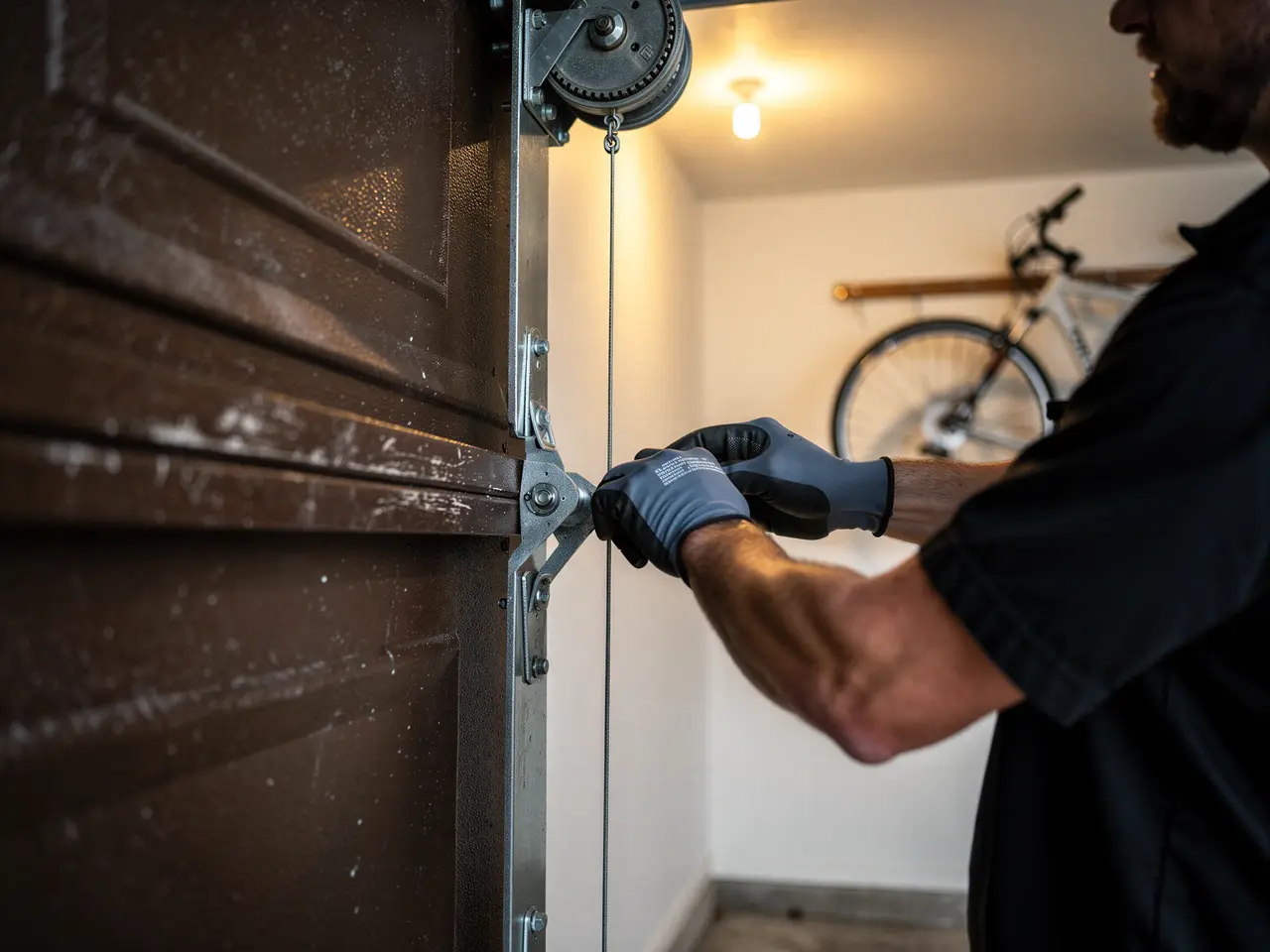
Cable Repair
Frayed or snapped lift cables replaced and balanced against the springs.
Learn more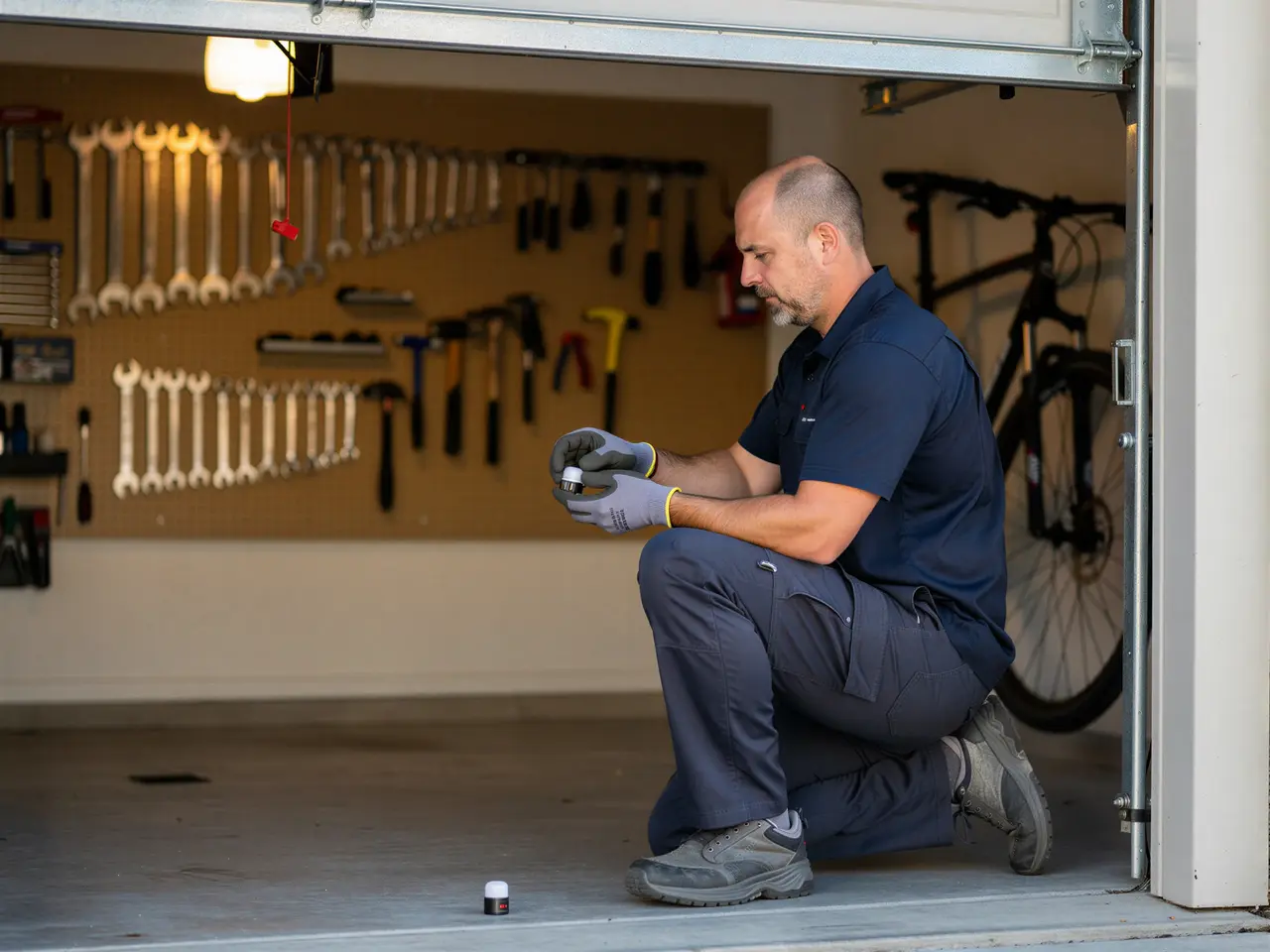
Maintenance & Tune-Ups
Spring tension, roller and track service that keeps an older door running quiet.
Learn moreCommon Problems
Garage door problems we fix in Olathe
A stuck or broken garage door can't wait. Call and tell us what the door is doing - a snapped spring, a frayed cable, a door off its track or an opener that won't respond - and leave a spring-loaded door closed until a tech has looked at it.
- Broken springs and snapped cables
- Doors off the track or stuck shut
- Opener, remote and sensor failures
- Noisy, slow or unsafe doors

Why Olathe Calls Us
How we work on Olathe garage doors
Safe spring work
Torsion springs are wound with proper winding bars - never a do-it-yourself job.
Cause first, then the fix
The tech finds what failed - spring, cable, roller or opener - before recommending a repair.
We come to you
Service visits across Olathe and nearby communities.
Repair or replace
For an older door you get a clear comparison of repairing it versus a new door.
Based in Olathe
An Olathe-based business you can reach directly by phone.
Call or book online
Call (913) 382-2184 or request a quote online.
How It Works
Getting your door fixed is simple
Tell us the symptom
Call or request a quote and describe what the door is doing - noise, off-track, won't open.
On-site diagnosis
A tech inspects the springs, tracks, opener and panels and gives you a written price first.
Repaired or installed
Most repairs are done on the same visit; installs are scheduled around you.
Our Work
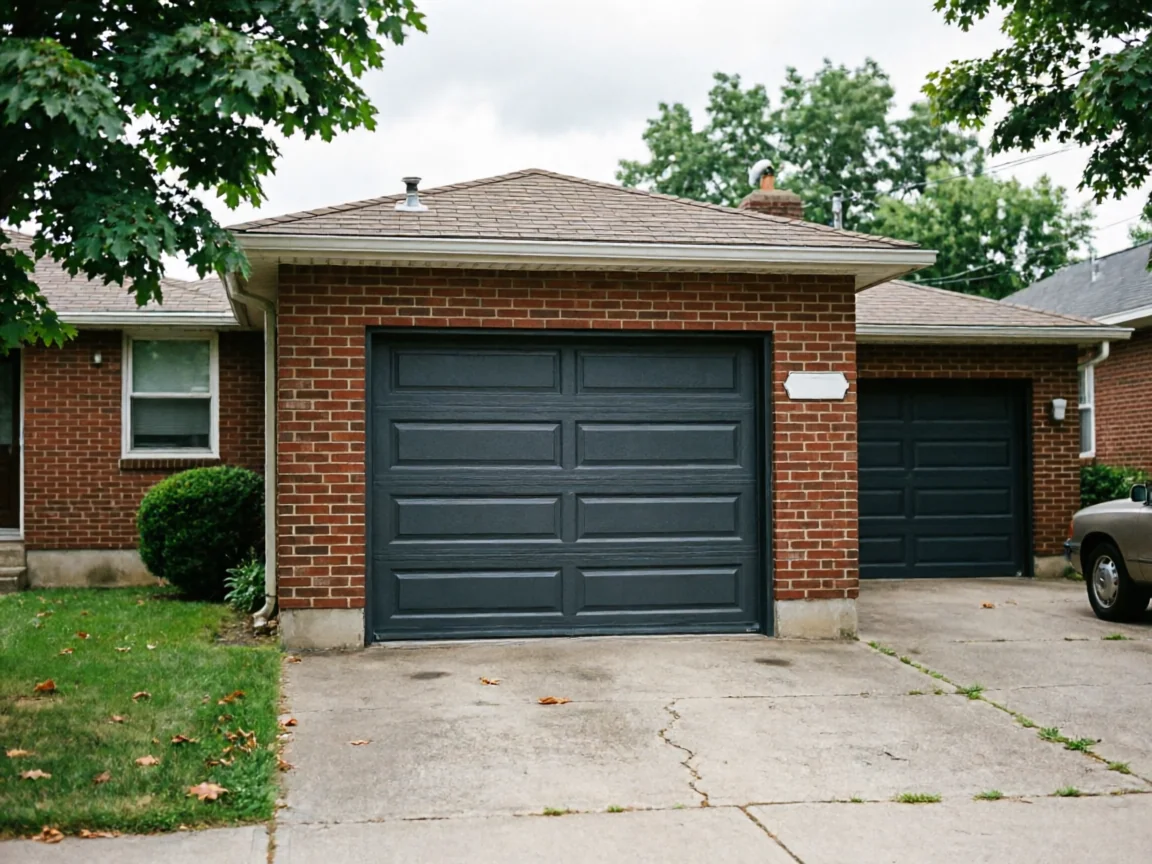
Recent garage door projects in Olathe
A look at doors, openers and springs we've installed and serviced across the Olathe metro.
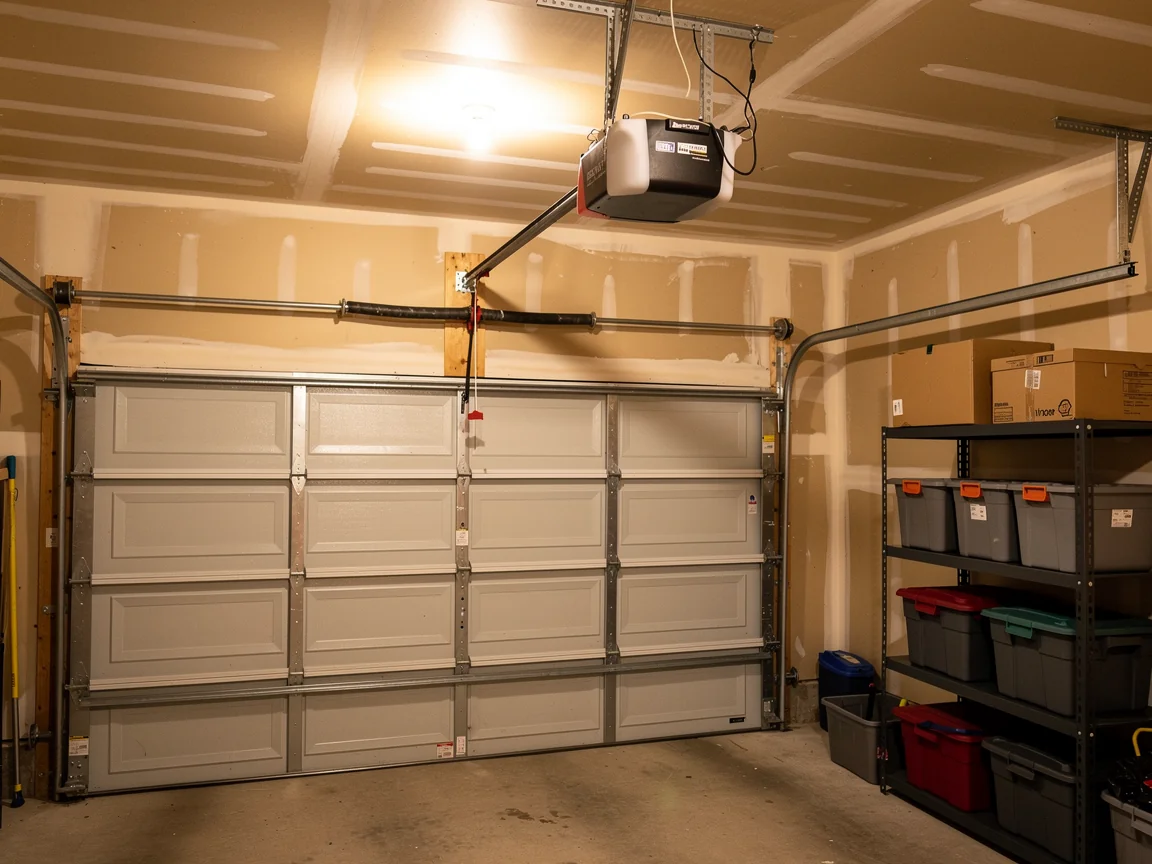
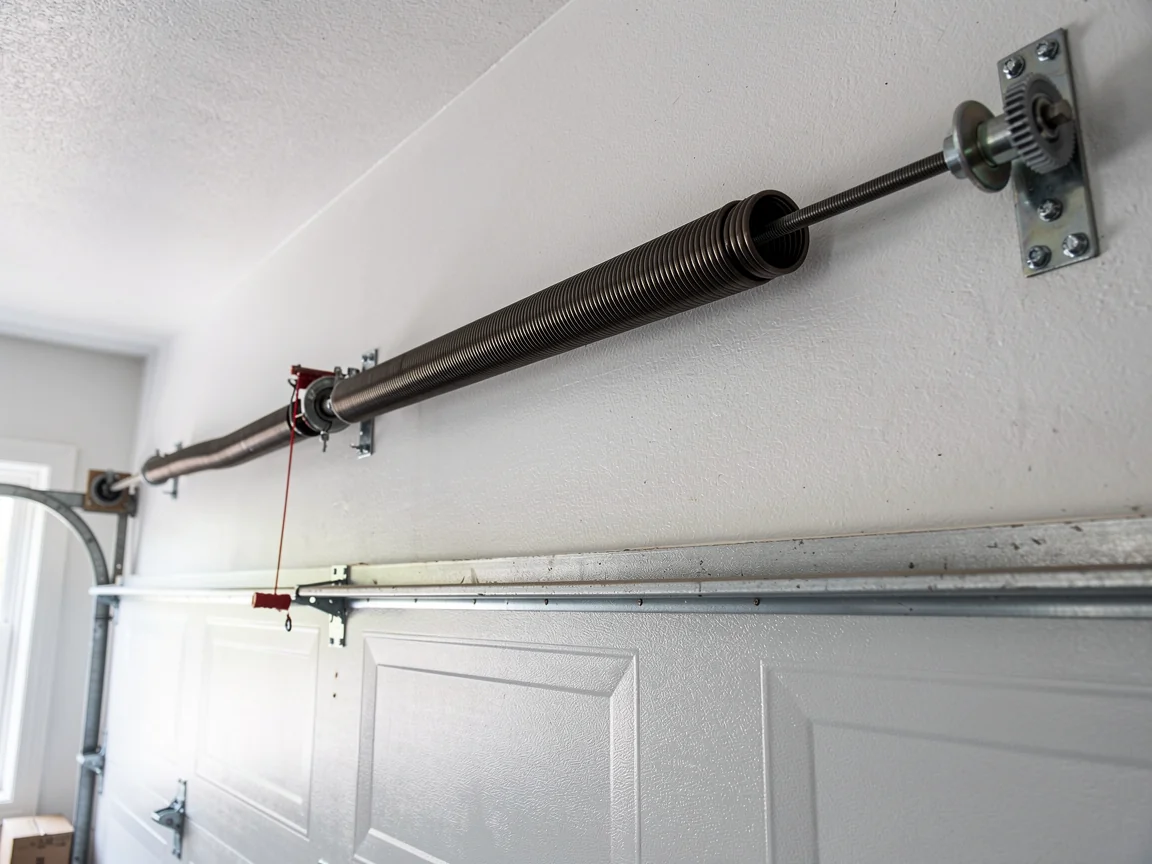
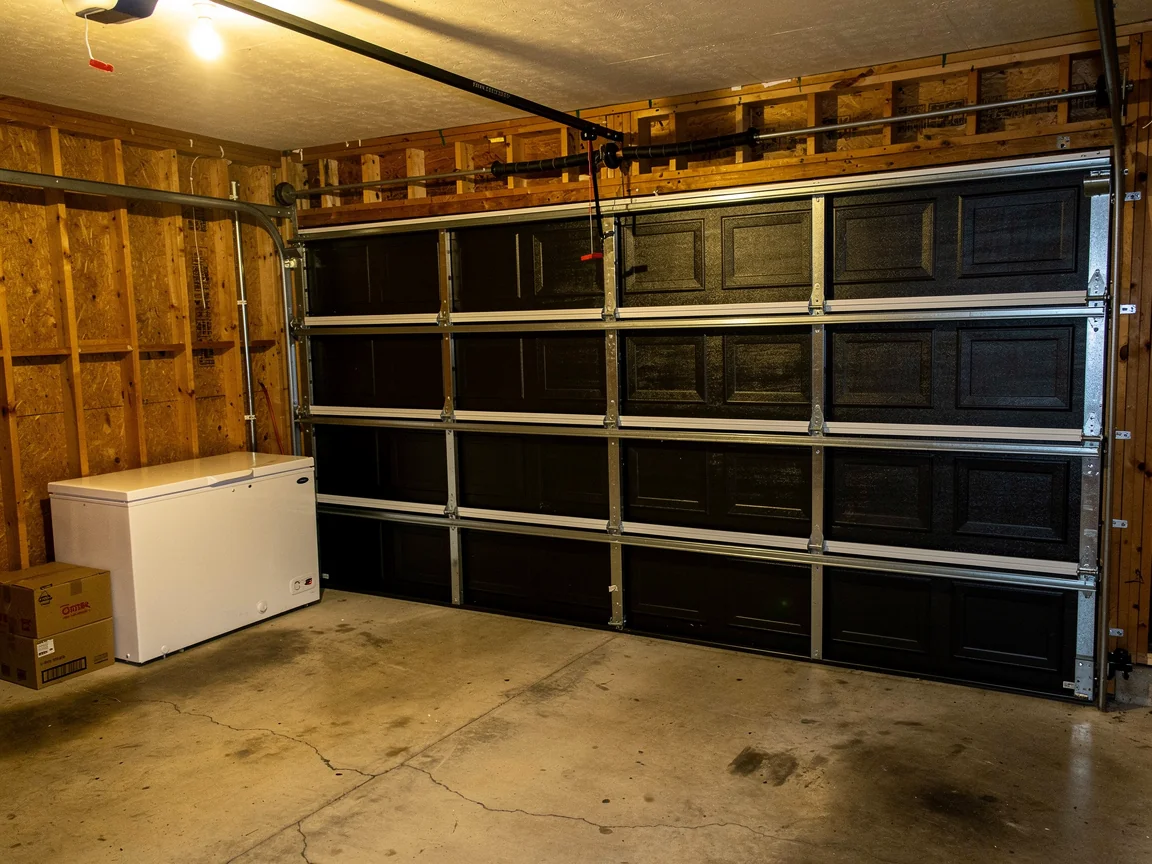
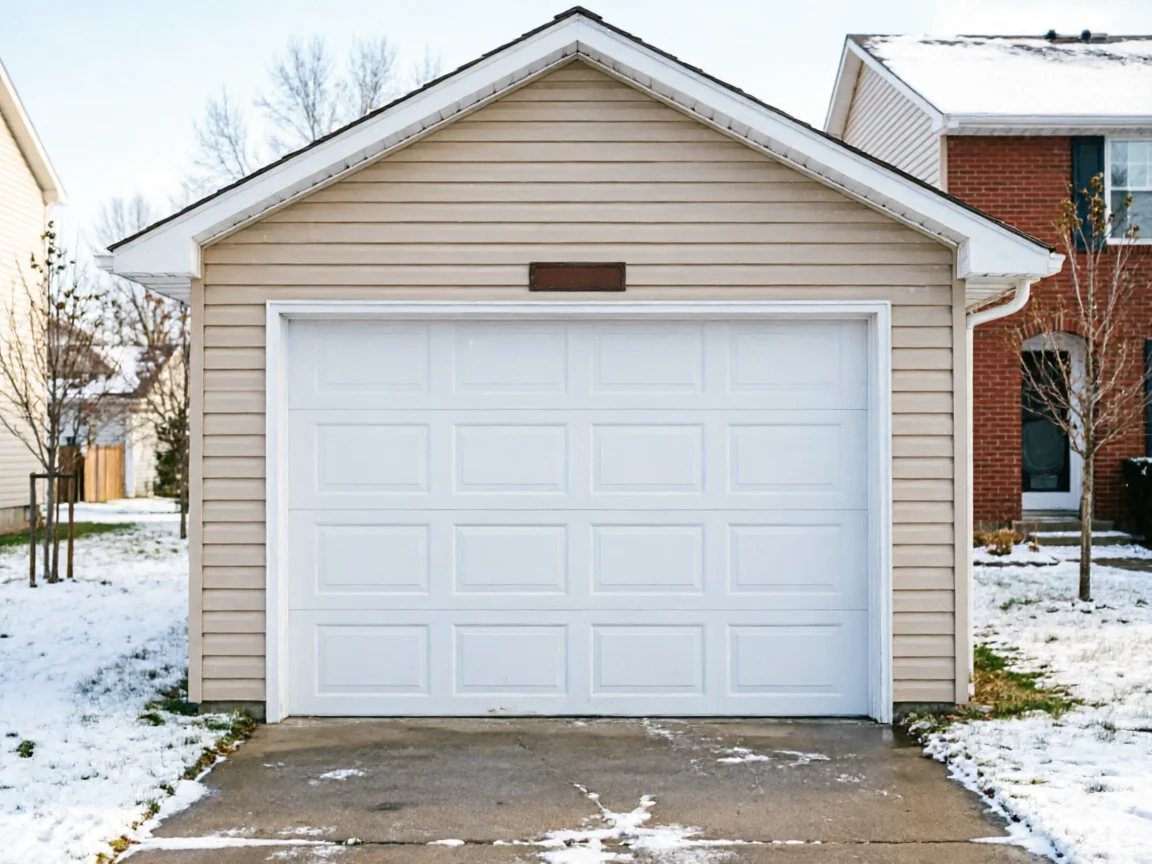
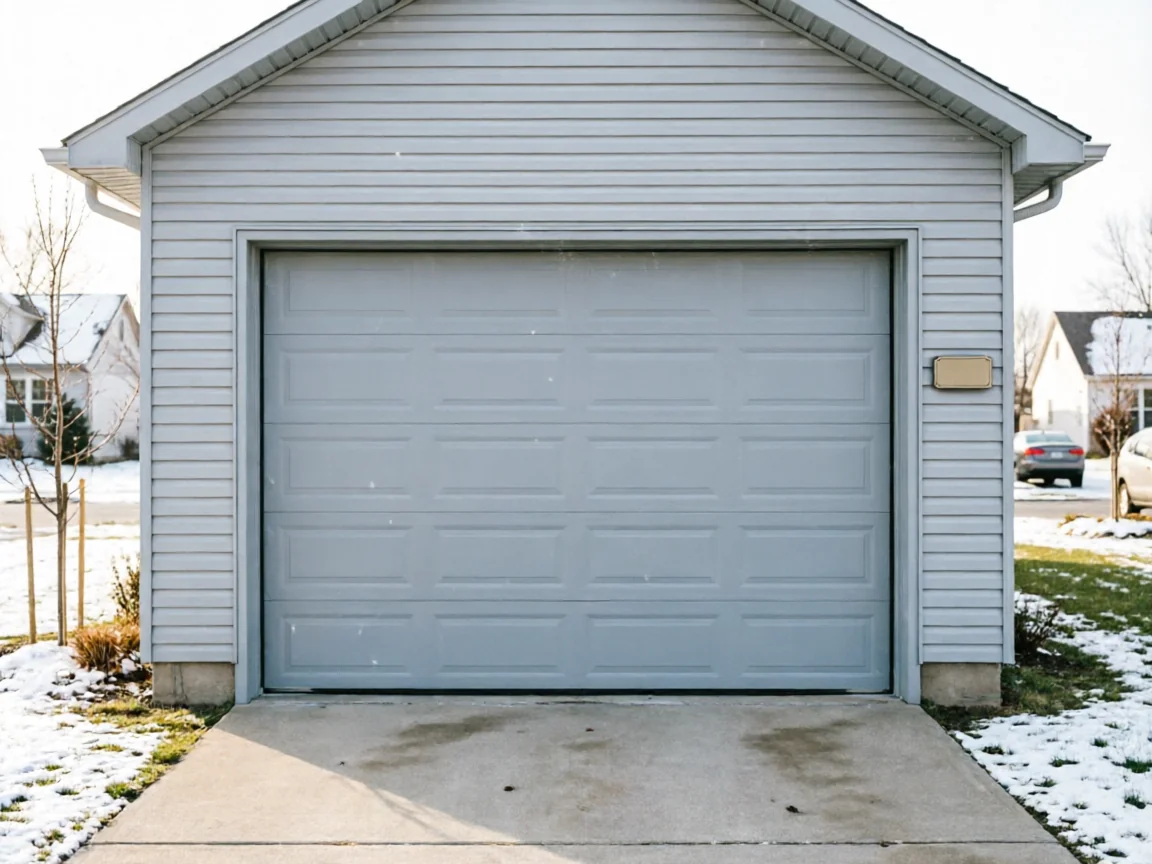
Where We Work
Serving Olathe & nearby communities
Neighborhoods across the city and suburbs around the metro. Not sure if we reach you? Just ask.
Local Expertise
What to know about garage doors in Olathe
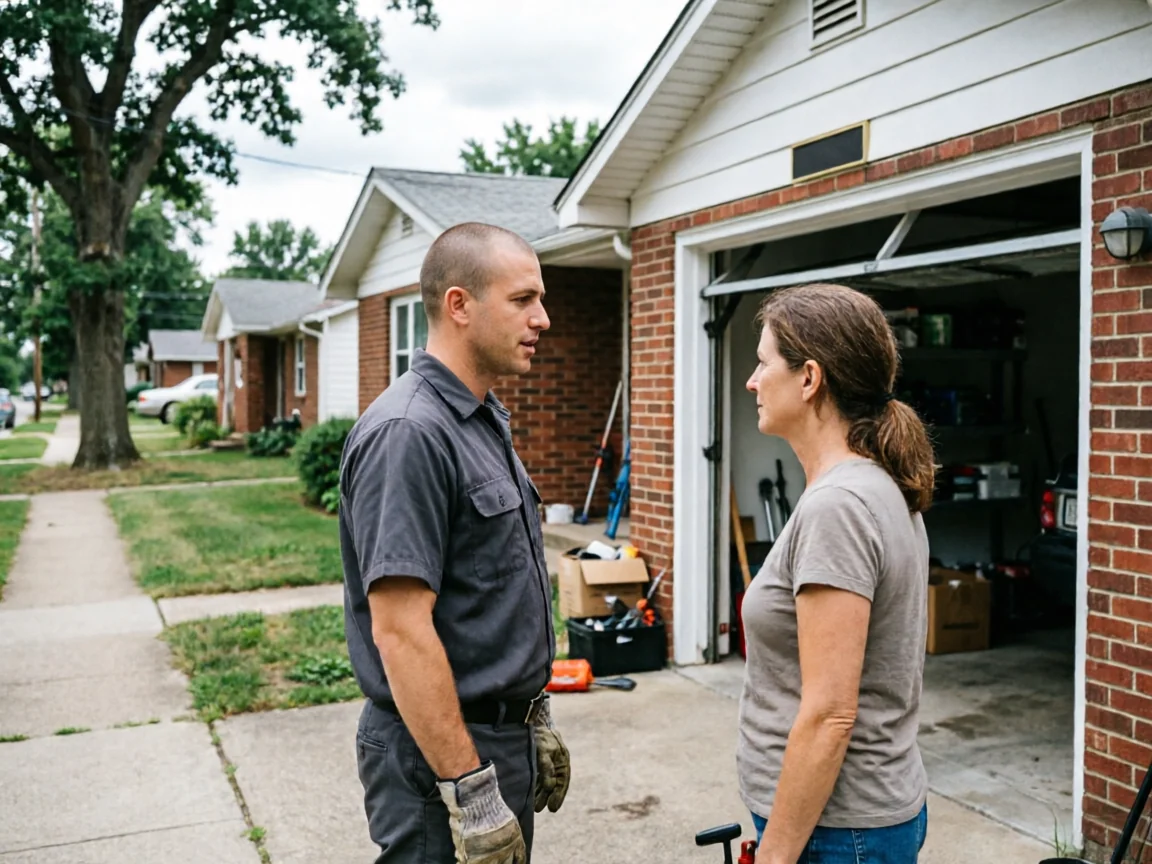
The Housing Stock Here
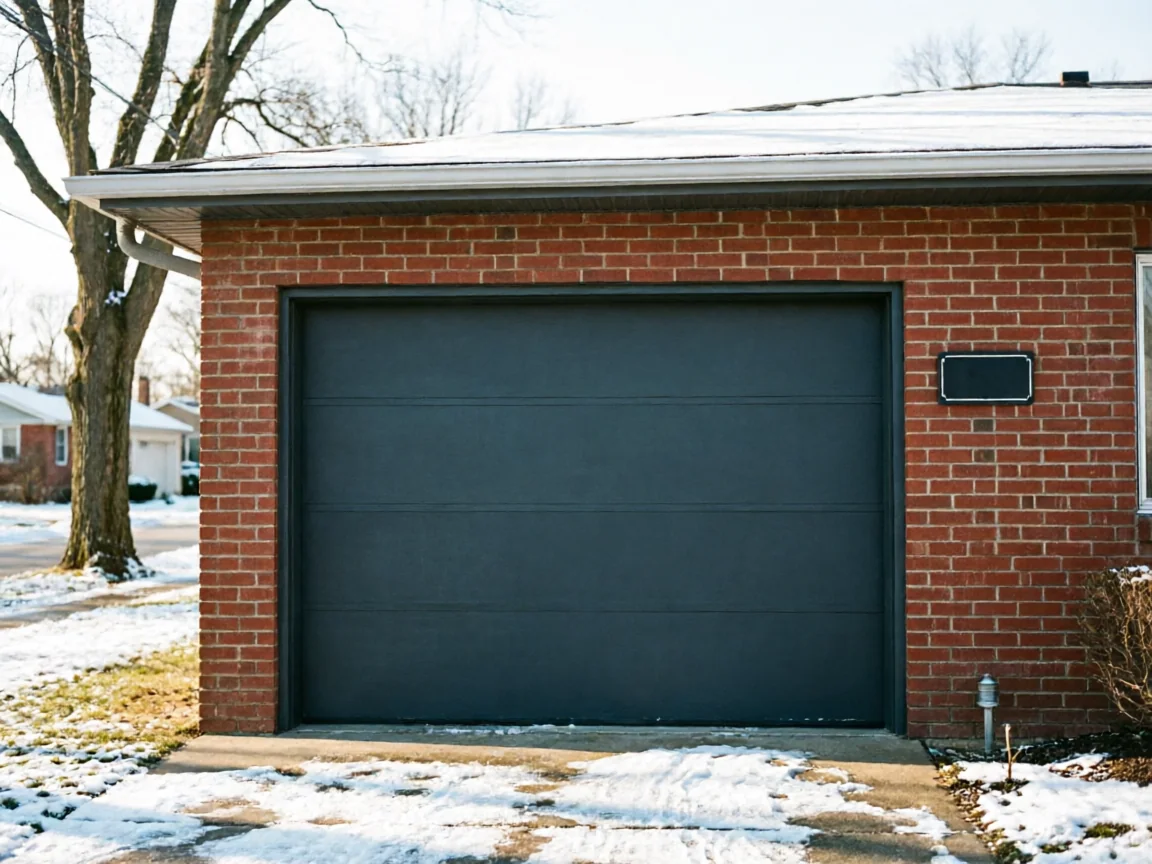
Most of the houses we get called to in Olathe went up between 1950 and 2004, with the median build year landing around 1977. That's a long stretch, and it shows in the doors. Walk a few blocks in any of the 19 named areas across this service territory and you'll see three or four distinct eras of garage door hardware on the same street - a late-70s steel door with the original extension springs next to a 90s builder-grade door with a torsion bar that's never been serviced, next to something newer with a plastic idler pulley that's already cracking.
The 1960s and 70s stock is the trickiest. Those doors often came with side-mounted torsion springs or odd-length extension springs that don't match what's on the shelf at a big box store. If your opener is original to a house from that era, the chain drive is loud, the logic board has no safety reverse worth trusting, and the whole unit is overdue regardless of whether it's still running.
Newer builds, closer to the 2004 end of the range, tend to have insulated doors and standard torsion setups, which makes parts easier to source and repairs faster. Knowing roughly when a house was built tells us most of what we need before we even pull into the driveway.
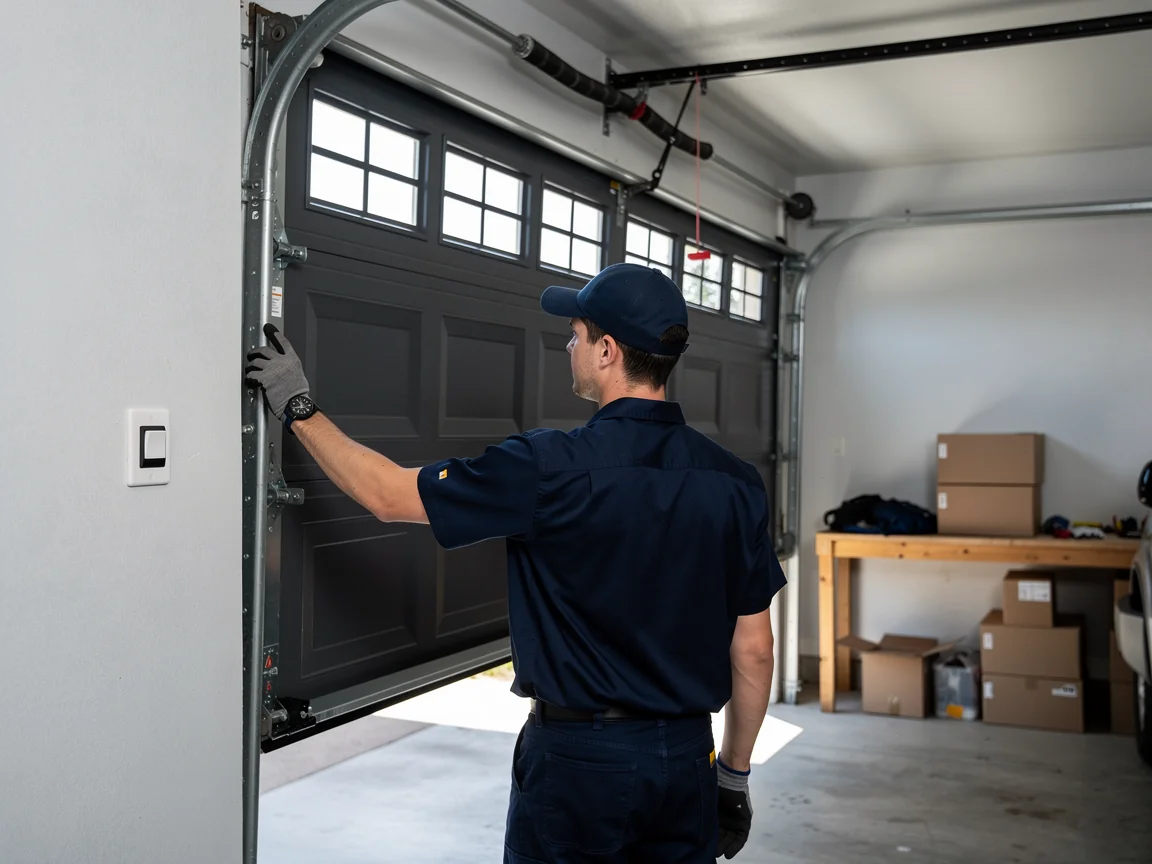
When to Stop Fixing It
Not every call ends in a repair, and we'll tell you straight when it shouldn't. If a door from the 1960s or 70s stock has a cracked panel, a rusted-through bottom section, and an opener that's already failed once, replacing the whole unit usually costs less over five years than patching each piece as it dies. We've seen homeowners sink money into a new opener motor only to watch the track give out six months later because the whole system was original to the house.
The honest limit on our end: we don't stock every odd-length spring or discontinued track bracket for every era of door in this area. Some of the older side-mounted torsion setups from the 60s and 70s take a day or two to source parts for, and we'll say so up front rather than string out a visit.
A good rule of thumb - if the door is original to a house built before 1980 and you're on your second repair in two years, get a replacement quote alongside the repair estimate. Given the median income across the service area sits at $90,982, most owners we talk to would rather spend once on a door that'll outlast the next decade than keep feeding an old one.
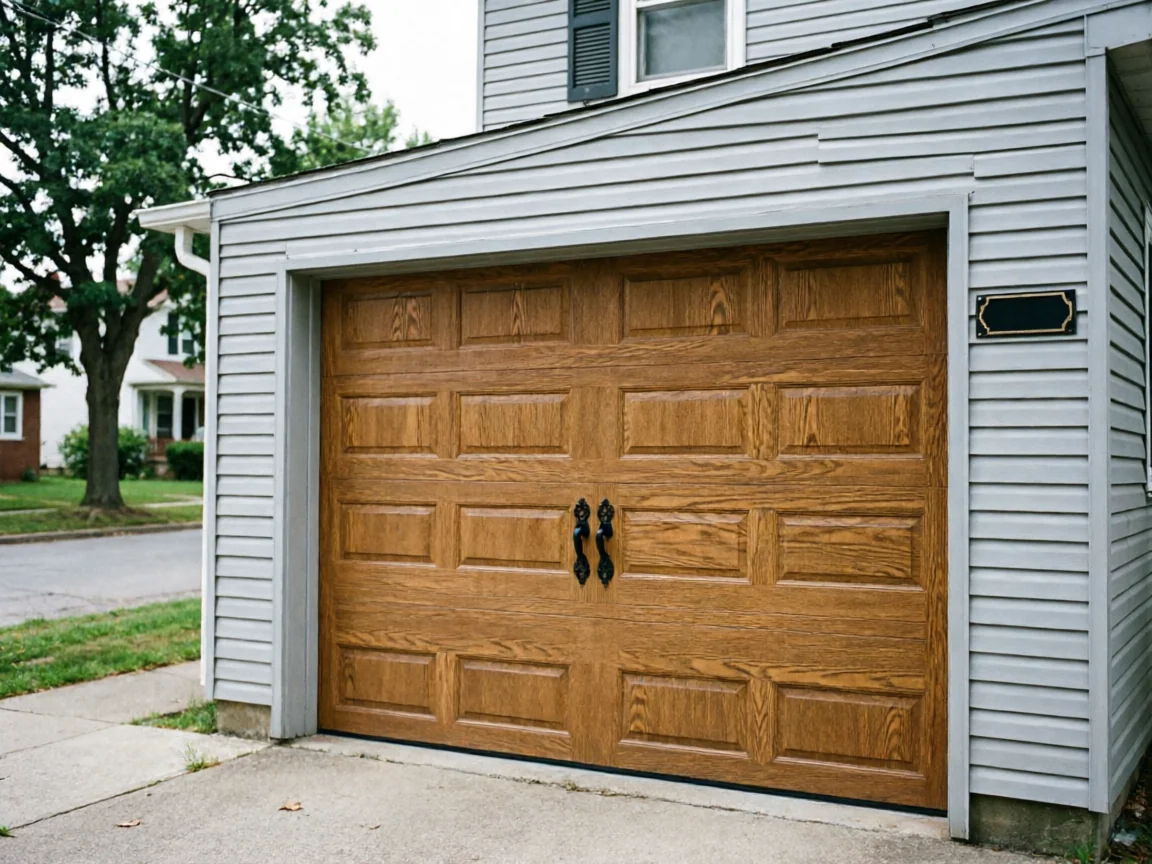
The Jobs That Come Up Most
Broken torsion springs lead the list, and it's almost always on doors from the older end of the housing stock - the spring cycles out after years of cold-weather strain and snaps, usually in winter. Cold band winters here aren't brutal, but the moderate cold swings are enough to stiffen old lubricant and crack dried-out rollers on doors that haven't been serviced since they were installed.
Opener failures come in close behind, especially chain-drive units original to 70s and 80s construction. Logic boards fail, drive gears strip, and the safety sensors - if the door even has them - stop aligning.
Track and cable issues show up across every era, but they're more common on the extension-spring setups from the 60s and 70s stock, where a frayed cable can let a door drop fast. We also get a steady run of panel damage, usually from a bumped car or a door that's been forced closed over a bent track.
Across roughly 38,491 owner-occupied houses in this area, the pattern holds: the older the door, the more likely the call is a spring or opener, not cosmetic damage.
How a Call Goes
You call, we ask the age of the house and what the door's doing - won't open, opens crooked, makes a bang, opener runs but door doesn't move. That usually narrows it to spring, cable, track, or opener before we're in the truck.
On site, we check the obvious failure point first, then walk the rest of the system, because on older doors one worn part often means another is close behind. We'll show you what's wrong before we touch anything and give you a price for the fix, plus a straight answer if we think replacement makes more sense than another repair.
Most jobs on standard torsion setups finish in one visit. The older side-mount or odd-length spring jobs can take longer if we need a part that's not on the truck - we'd rather order the right one than jam in something that doesn't match the hardware.
Pricing, and What Drives It
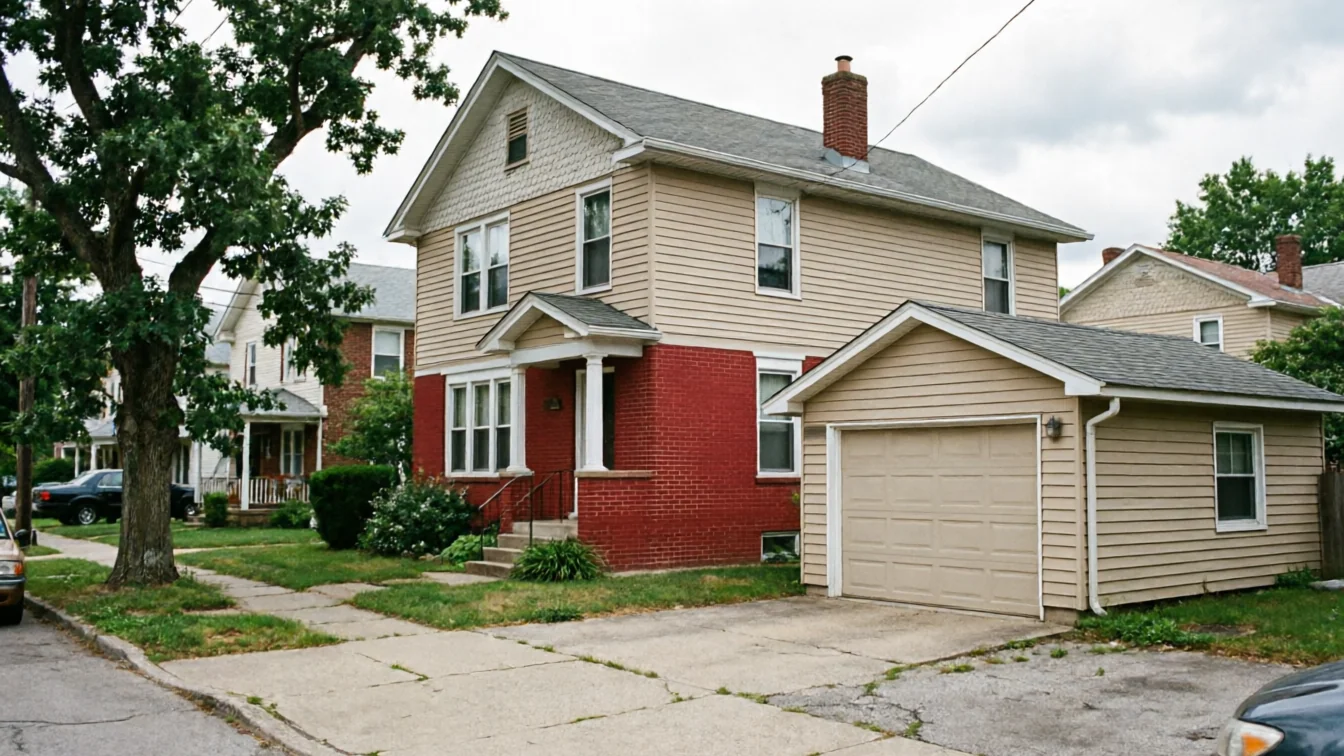
We don't post flat prices because the housing stock here makes a flat price dishonest. A torsion spring swap on a standard setup from the newer end of the 1950-2004 range is a different job, with different parts, than a side-mounted spring job on a house from the 60s or 70s. Door width, spring type, and whether the opener needs touching all move the number.
What we can tell you: the biggest cost driver is age and originality. A door and opener that are both original to the house usually need more than a single part replaced, because everything's worn at once. A door that's had one prior update - new opener, say, with the original springs - is usually a cheaper call.
We give a firm number before we start work, not after.
Good to Know
Frequently asked questions
How old is a typical garage door in Olathe
Housing across the area was mostly built between 1950 and 2004, with the median around 1977, so a lot of doors and openers are original to houses from the 60s and 70s. That means older torsion or extension spring setups that don't always match current off-the-shelf parts.
Do you work outside Olathe itself
We cover the surrounding area including towns like Gardner, Spring Hill, Edgerton, and De Soto, all within about 10 miles, plus farther towns like Eudora, Basehor, and Louisburg.
Why does my opener from the 1970s sound so loud
Chain-drive openers from that era weren't built quiet, and after decades the drive gear and chain tension both loosen up, which adds rattle. Combined with cold-weather stiffness on old lubricant, it's usually a sign the unit is near the end of its life, not just due for a tune-up.
Is it ever not worth repairing the door
Yes. If the door and opener are both original to an older house and you've already had one major repair, a second major failure usually means replacement costs less over time than another patch job. We'll tell you when we see that pattern.
Need a garage door fixed in Olathe?
Call now or request a quote - tell us what the door is doing and where you are.